 Free AUS Shipping & Returns
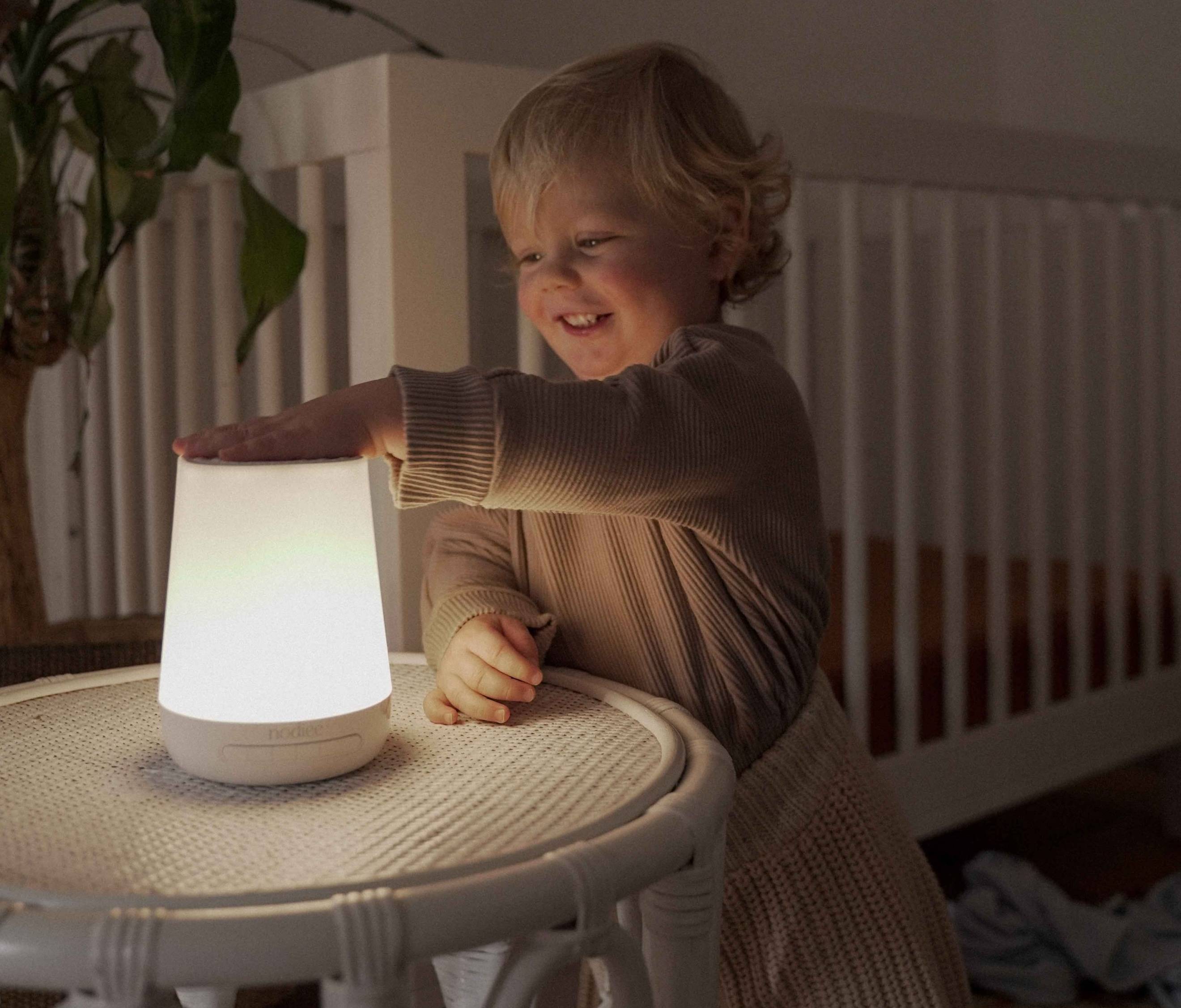
Choosing the right night light is not just about making the room less dark. It can make nighttime a lot easier for both parents and little ones.
During feeds, nappy changes, or quick check-ins, the lighting in the room can change how calm or settled everything feels. Too dark and it becomes hard to see what you are doing. Too bright and the room can suddenly feel more awake than it needs to be.
That is why many parents pay attention to the type of night light they use. The right setup can help keep the room soft and gentle during overnight wake ups, while still giving you enough light to move around comfortably.
For many families, it ends up being one of those small nursery details that quietly makes nighttime routines feel a little smoother.
Many babies, infants or toddlers are sensitive to sudden changes in sound, especially during lighter stages of sleep. Even small noises like a door closing, footsteps in the hallway, or dishes in the kitchen can be enough to interrupt settling or wake a baby who has just fallen asleep.
Steady background sound can help soften these disruptions. Instead of silence being interrupted by sudden noise, the sound environment stays more consistent. This reduces the contrast between quiet and loud, making everyday household sounds less noticeable.
For some babies, consistent sound can also become part of the sleep routine. Hearing the same sound each night can signal that it is time to settle and sleep, helping create a familiar and predictable environment.
A night light does not usually make a baby sleep longer on its own, but it can still be helpful.
What it really does is support the sleep environment. If you need to feed or change your baby overnight, a soft light helps you do that without fully shifting the room from sleepy to bright and active.
That matters because babies can become more alert when the room suddenly lights up. A dim glow helps keep things calm, so the move back to sleep can feel smoother for everyone.
For toddlers and older children, a night light can also offer a bit of reassurance. If they do not like being in complete darkness, a soft light may help them feel more settled at bedtime or when they wake during the night.
The biggest thing is keeping it subtle. You want enough light to see, but not so much that the room feels fully lit.
The best night light often depends on your child’s age, sleep habits, and what you actually need help with during the night. What works for a newborn will not always be the best fit for a toddler or an older child, so it helps to think about the purpose first.
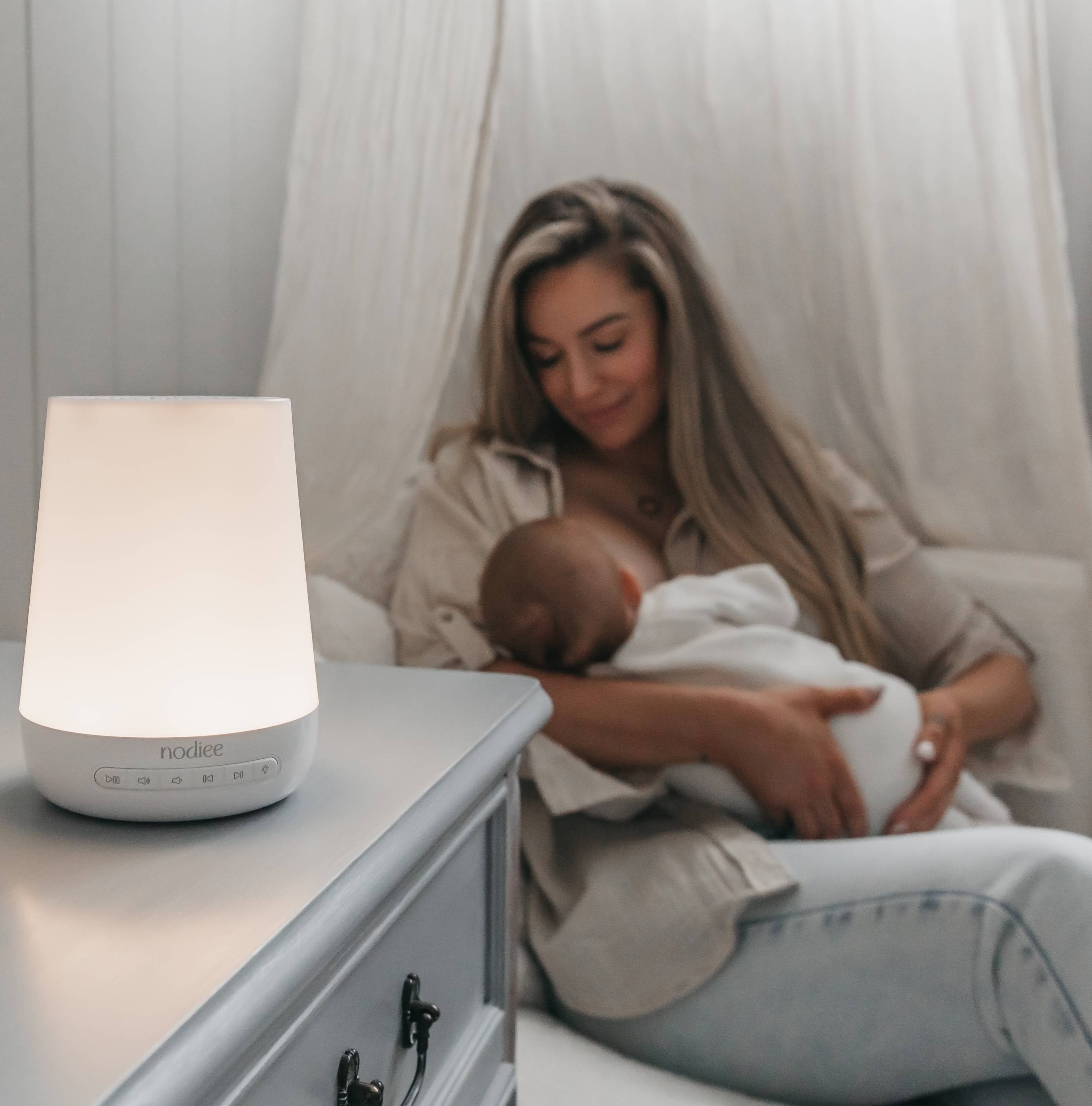
At this stage, a night light is mostly there to help with feeds, nappy changes, and quick overnight checks without making the room feel too bright.
A soft, warm light usually works best because it gives you enough visibility while still keeping the space calm and sleepy. Many parents prefer dim amber or red toned light for those frequent wake ups in the early months.
This is also where a white noise machine with a night light can be useful, especially if you already use white noise as part of your baby’s sleep routine and if your baby naps in different places, a portable white noise machine can also help keep sleep cues more consistent in the pram, car, or travel cot.
It usually works best to place the light near the feeding chair, dresser, or change table rather than right beside the cot.
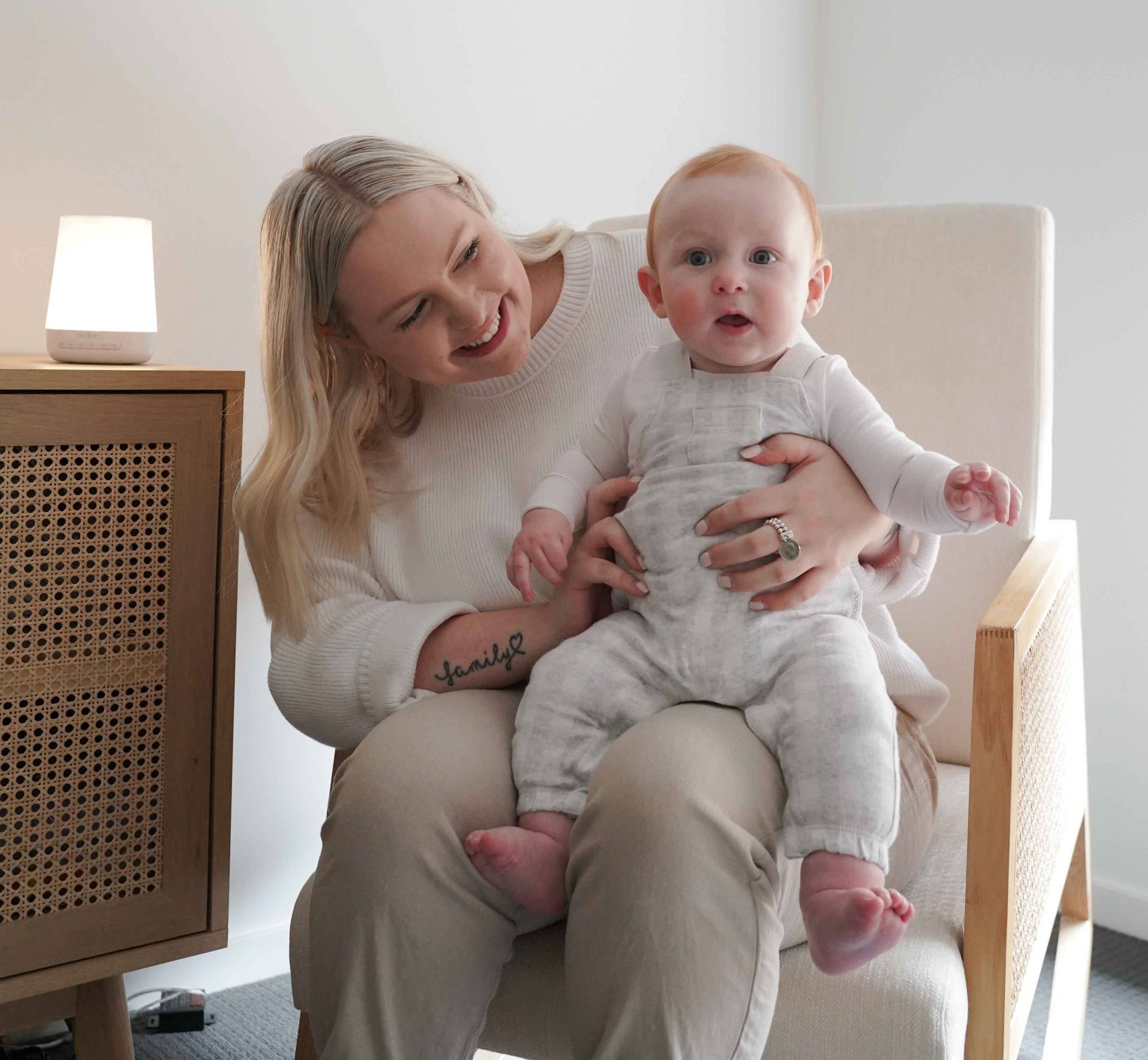
With toddlers, a night light often becomes both practical and comforting. It can still help during overnight wakes, but it may also start to play a bigger role in bedtime reassurance.
Some toddlers go through a stage where they become more aware of shadows, dark corners, or being alone in their room. A soft light can help the room feel more familiar and less overwhelming if they wake and look around.
At this age, it helps to keep the light gentle and low rather than choosing something very bright or distracting. A white noise machine with a night light can work well for toddlers who still wake easily from household noise, while also giving parents a soft light for bedtime, check-ins, or those early morning wake ups.
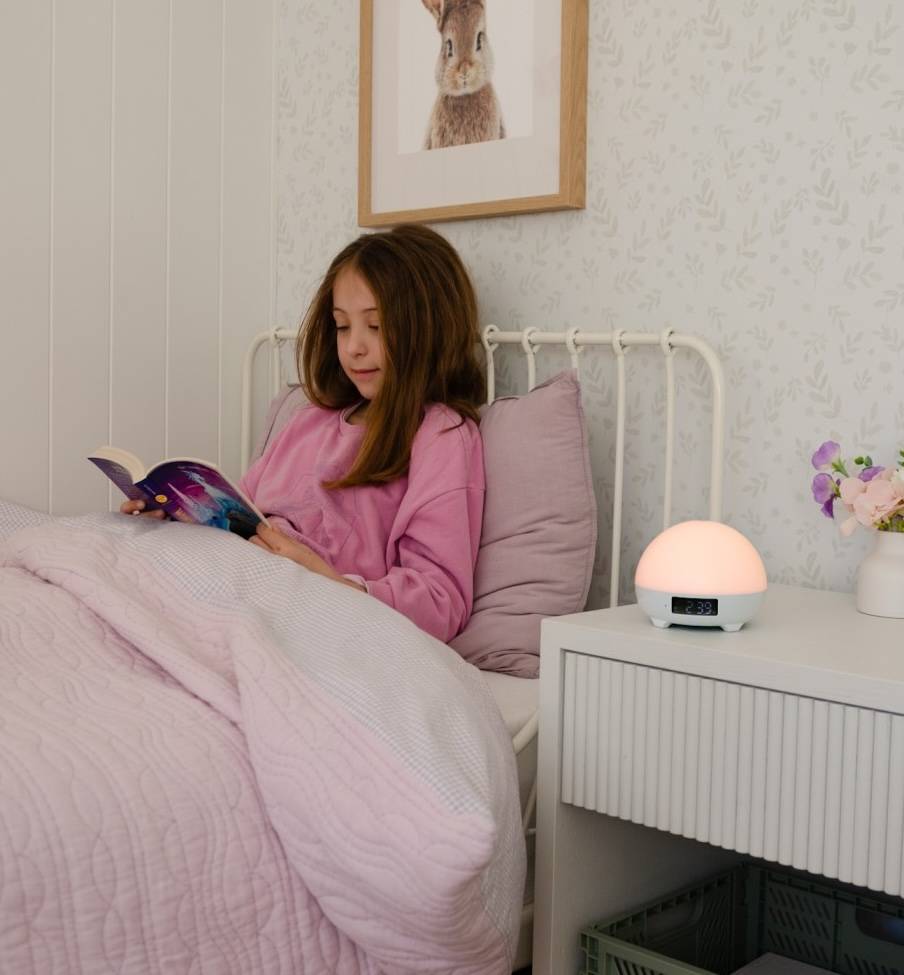
As children get older, the role of a night light often shifts again. It becomes less about feeds or resettling and more about confidence, routine, and independence.
Some older kids like having a small light available if they need to get up to go to the toilet, grab a drink, or move around their room without feeling completely in the dark. At this stage, a simple bedside light or a more routine-based sleep tool can be a better fit than a nursery-style night light.
A sunrise alarm clock can be especially helpful for older kids who are starting to follow a more predictable bedtime and wake up routine. Instead of waking to a dark room or a sudden loud alarm, they can wake more gently with gradual light in the morning.
For this age, the best option is usually something that still feels calming at night but also supports a bit more independence as they grow.
Not all night lights feel the same once the rest of the room is dark. Some feel calm and gentle, while others are surprisingly bright and not all that sleep-friendly. In general, it helps to look for a light that is:
Warm tones usually feel better at night than bright white light. Soft amber, orange, or red toned light tends to feel gentler and less harsh when the room is otherwise dark.
Cool white light can feel much stronger at night, even if it does not seem that bright during the day.
A good rule of thumb is this: if it feels bright enough to properly light the room or read by comfortably, it is probably more than you need.
For a lot of families, light is only one part of the setup. Sound can also make a difference, especially if the house is noisy or if there are sudden sounds during naps and overnight sleep.
That is why some parents like pairing a night light with a sound machine. The light helps with visibility, while the sound helps create a more steady background in the room.
They do different jobs, but together they can make the sleep space feel more consistent.
This can be especially helpful for newborns, babies, and toddlers who are still getting used to bedtime routines and overnight resettling.
When the same light and sound are used night after night, they start to feel like part of the bedtime routine. Over time, that consistency can help signal to your baby or toddler that it is time to wind down and settle for sleep.
A soft night light lets you manage feeds, nappy changes, or quick check-ins without switching on a bright overhead light. At the same time, a sound machine can help soften background noise from the rest of the house.
Daytime naps can be harder because homes are naturally brighter and busier during the day. Using a calm setup with soft light and steady sound can help the sleep environment feel more familiar and predictable.
Where you place a night light matters just as much as the light itself.
A few simple things to keep in mind:
A lot of parents find it works best to place the light near the door, feeding chair, or change station. That way, you can still see what you are doing without making the cot area too bright.
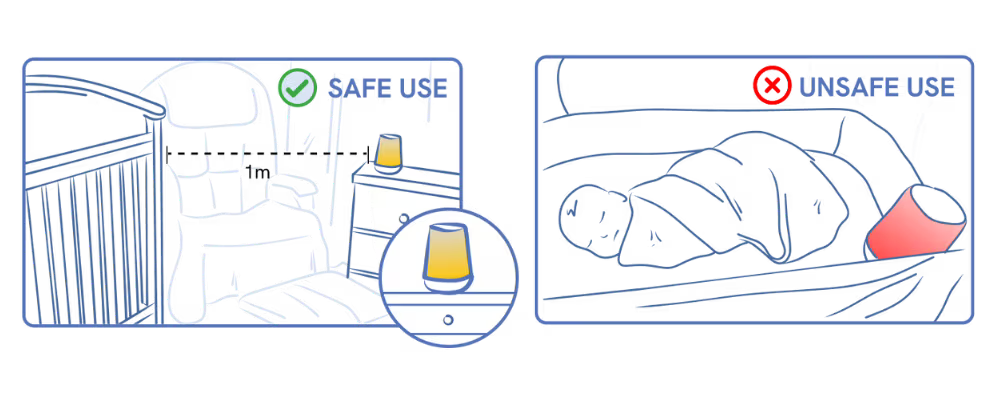
There is no one perfect setup that works for every child.
For some families, a night light is simply a practical tool for feeds and nappy changes. For others, it becomes part of a more settled bedtime setup as their baby grows into a toddler.
The main thing is to keep it gentle. A night light should support sleep, not compete with it. When the brightness is low and the room still feels calm, it can be a really helpful part of the nighttime routine.
And if you are also using a sound machine, the two together can help create a sleep space that feels steady, familiar, and easier to manage night after night.