Baby Sleep Schedule By Age: Newborn, Baby And Toddler Routine Guide

Baby sleep can change quickly during the first few years.


A newborn may sleep in short stretches throughout the day and night, while an older baby may begin following a more predictable nap and bedtime routine. By the toddler stage, many children have moved to one daytime nap and a longer period of sleep overnight.


A baby sleep schedule by age can help you understand common nap patterns, wake windows, baby sleep cycles and bedtime routines at each stage.


It can also make it easier to recognise when bub may be experiencing a baby sleep regression, becoming ready to drop a nap or needing a small change to their routine.


The schedules in this guide are flexible examples rather than strict timetables. Your baby may sleep more or less, take shorter naps, wake earlier or need more support to settle.

How To Use This Baby Sleep Schedule Guide

This baby sleep schedule by age is designed to be a flexible starting point, not a timetable that every newborn, baby or toddler must follow exactly.


Baby sleep can change because of feeding needs, growth, teething, illness, developmental milestones, travel and changes at home. Premature babies may also follow sleep patterns based on their corrected age.


Newborns in particular usually need responsive feeding and sleep based on their individual cues rather than fixed nap times.

Use the schedules alongside bub’s tired signs, nap lengths, feeding needs and overall wellbeing. Safe sleep guidance should always come before following a particular routine.


Speak with your GP, child health nurse or another qualified healthcare professional if you are concerned about your baby’s sleep, feeding, breathing, development or general health.

What Is A Baby Sleep Schedule?

A baby sleep schedule is the general pattern of sleep and awake time across a 24-hour day. It may include:

  • Morning wake time
  • Daytime naps
  • Awake periods between naps
  • Bedtime
  • Overnight waking and feeding

For a newborn, a sleep schedule may simply follow a repeated cycle of feeding, changing, cuddling and sleeping.


As babies grow, their sleep may become more predictable. Naps might begin happening at similar times each day, and the longest period of sleep may gradually move into the night.


However, waking overnight remains common throughout the first year. Babies aged 3–6 months may begin having longer night sleeps, but many still wake at least once overnight.

Baby Sleep Schedule By Age At A Glance

These are broad guides rather than targets that every baby must meet. Sleep needs can vary between children of the same age.

Age

0 to 3 months

3–5 months

6–8 months

9–10 months

11–12 months

12–18 months

18 months–3 years

Average Total Sleep

Around 11–19 hours

Around 12–15 hours

Around 11–16 hours

Around 11–16 hours

Around 11–16 hours

Around 11–14 hours

Around 11–14 hours

Common Daytime Sleep

Naps throughout the day

2–3 naps, occasional catnap

Usually 2–3 naps

Usually 2–3 naps

Usually 2–3 naps

Usually 1–2 naps

Usually 1 nap

Typical Awake Time

Follow hunger & tired cues

Around 1.5–3 hours

Around 2–3 hours

Around 2.5–3.5 hours

Around 3–4 hours

Longer awake periods

Longer awake periods

What Are Baby Wake Windows?

A wake window is the amount of time your baby is awake between sleeps. It begins when bub wakes and includes:

  • Feeding
  • Nappy changes
  • Play
  • Cuddles
  • The wind-down before the next sleep
  • The time it takes bub to settle

Wake windows can help you estimate when your baby may be ready for their next nap, but they are not exact rules.


For example, a 6-month-old might usually stay awake for two and a half hours but need an earlier nap after a busy morning or a short previous sleep.


The goal is to use the clock and your baby’s tired signs together.

Common Tired Signs In Babies And Toddlers

  • Yawning
  • Rubbing the eyes
  • Looking away
  • Losing interest in toys or people
  • Becoming quieter
  • Fussing or grizzling
  • Jerky arm or leg movements
  • Becoming clingy
  • Wanting to be held
  • Crying or demanding more attention

Newborn tired signs can include jerky movements, pulling at the ears and sucking the fingers. Older babies and toddlers may become grizzly, clingy or less interested in playing.


Settling may feel more difficult once bub becomes very upset or overtired, so it can help to begin winding down when the earlier signs appear.

Sleep Schedule Examples

Newborn Sleep Schedule: Birth To 3 Months

Newborn sleep usually looks very different from an older baby’s routine.


During the first few months, newborns commonly sleep in short periods across both the day and night. They wake regularly because they need frequent feeding, comfort and care.


Newborn sleep recommendations vary slightly between sources. Pregnancy, Birth and Baby provides a broad range of 11–19 hours across 24 hours, while some notes that many newborns sleep around 14–17 hours in short stretches of 2–3 hours.

Should A Newborn Follow A Clock-Based Schedule?

A strict timetable is usually not realistic or necessary for a newborn.


During the first couple of months, Pregnancy, Birth and Baby recommends following a flexible feed, play and sleep cycle rather than setting a strict daily schedule.


At this stage, it is generally more useful to respond to:

  • Feeding needs
  • Tired signs
  • Nappy changes
  • Comfort needs
  • Advice from your healthcare professionals

Some newborns may stay awake briefly after a feed, while others may be ready to sleep again almost immediately.

Newborn Wake Windows

Newborn awake periods are generally short.


It is suggested that a broad wake window is  around 1–2 hours for newborns up to six weeks old. This includes feeding, changing and any brief interaction before the next sleep.


Some newborns will become tired much sooner, particularly after a long feed or a short previous sleep.


Example Newborn Routine


Rather than following exact times, a newborn routine may repeat this simple pattern:

  1. Bub wakes.
  2. Offer a feed.
  3. Change their nappy.
  4. Have a short cuddle or gentle interaction.
  5. Watch for tired signs.
  6. Help bub settle in their safe sleep space.
  7. Repeat throughout the day and night.

There may be little or no play after some feeds, particularly during the early weeks.

What Parents Often Notice At This Age

Newborn sleep rarely follows exactly the same pattern every day.


One day may include several longer sleeps. The next may include shorter naps, frequent feeds and more settling support.

This does not automatically mean you are doing anything wrong.


During the newborn stage, learning bub’s feeding, comfort and tired cues is generally more useful than trying to create a perfect schedule.

3 To 5 Month Baby Sleep Schedule

Between 3 and 5 months, some babies begin staying awake for longer during the day and sleeping for longer periods at night.


Babies aged 3–6 months generally sleep around 12–15 hours across 24 hours. They may have 2–3 daytime naps of up to two hours each, although younger babies may still need an additional short nap.


Waking overnight for feeding or comfort remains normal.


3 To 5 Month Wake Windows

Awake time may gradually increase during these months. As a broad guide:

  • Around 1.5–2 hours at 3 months
  • Gradually increasing towards 2–3 hours by 5 months
    These times include feeding and play. The routine should still be adjusted according to your baby’s tired signs and individual sleep needs.

Example 3 To 5 Month Sleep Schedule

Approximate Time

7:00 am

8:30 am

10:00 am

12:00 pm

2:00 pm

4:00 pm

5:00 pm

6:30 pm

7:00 pm

Overnight


Routine

Wake and feed

Morning nap

Wake, feed and play

Mid day nap

Wake, feed and play

Short afternoon nap

Wake and feed

Begin bedtime routine

Bedtime

Feed and settle as needed

This is only an example. Bub may need an earlier first nap, an additional short nap or a later bedtime depending on when they wake and how long each nap lasts.

6 To 8 Month Baby Sleep Schedule

Between 6 and 8 months, daily sleep patterns may begin to feel more predictable.


Some babies settle into two longer naps, while others continue needing a third short nap in the afternoon.

Babies aged 6–12 months generally sleep for around 11–16 hours across 24 hours. This may include approximately 2–4 hours of daytime sleep.


Many babies continue waking overnight and may need feeding, comfort or help returning to sleep.


Example 6 To 8 Month Sleep Schedule

Approximate Time

7:00 am

9:00 am

10:30 am

1:00 pm

2:30 pm

4:30 pm

6:30 pm

7:00 pm

Overnight

Routine

Wake and feed

Morning nap

Wake, feed and play

Afternoon nap

Wake, feed and play

Optional short nap

Begin bedtime routine

Bedtime

Feed or settle as needed

What Is a Sleep Training Clock and When Is It Useful?

A sleep training clock uses light, colour or visual cues to help children understand when it is time to stay in bed and when it is time to wake up.

It is usually most useful for toddlers and older kids who can understand simple sleep and wake cues. A sleep training clock can help when:

  • Your child wakes too early - A light cue can help show when it is still sleep time and when it is okay to get up.
  • Your toddler gets out of bed too soon - A clear visual cue can make the morning routine easier to understand.
  • Your child needs a more predictable wake-up routine - Using the same light cue each morning can help make wake-ups feel more consistent.
  • You want a gentler start to the day - A sleep training clock or sunrise alarm can help children wake with light instead of a sudden alarm or bright room light.

For babies and toddlers, a sleep training clock is not usually needed yet because they are too young to understand a wake-up light cue. However, light can still help support a baby sleep routine by making daytime and night-time feel different.


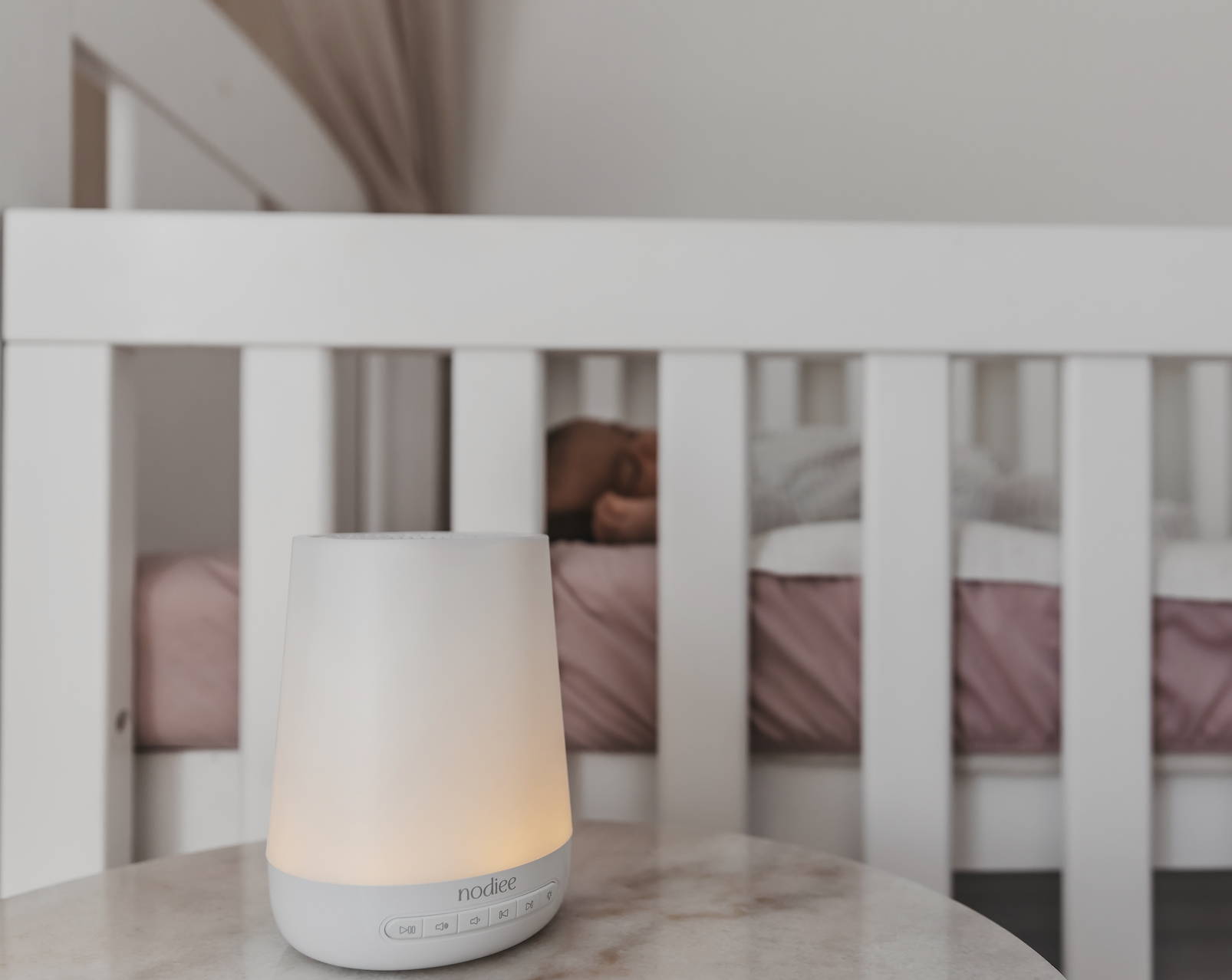
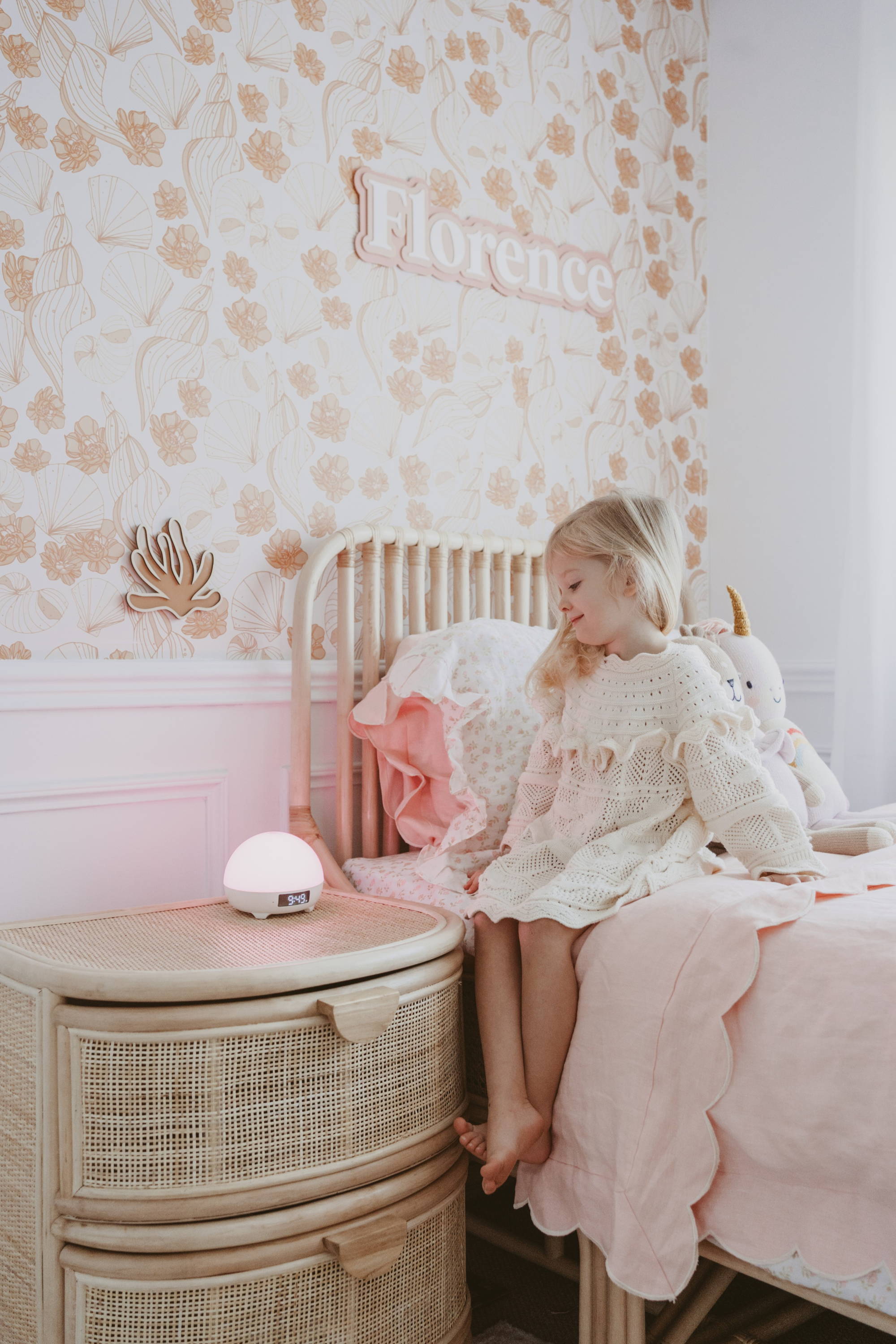
The Nodiee Smart Sunrise Alarm is a helpful option for toddlers, older kids and parents who want a softer wake-up routine. Its gradual sunrise light can create a gentle morning cue, while the sound, night light and routine features can also support calmer bedtime and wake-up habits.

Safe Sleep Comes Before Any Sleep Training Method

No matter which baby sleep training method or bedtime routine you choose, safe sleep should always come first.


In Australia, safe sleep guidance includes placing baby on their back for sleep, keeping baby’s head and face uncovered, keeping the sleep space smoke-free, and using a safe sleep space for both day and night sleeps.


It is also commonly recommended that baby sleeps in their own safe sleep space in the same room as their parent or caregiver for the first 6 months.


If you are unsure about your baby’s sleep, feeding, settling or safety, speak with your GP, child health nurse or healthcare provider.


How To Build A Baby Sleep Routine That Works For Your Family

Baby sleep training can mean different things for different families.
For some, it is a structured method. For others, it is simply about creating clearer sleep cues, building a calmer routine and helping bub understand when it is time to rest.

White noise, night lights and sleep training clocks will not do the sleep training for you.

But they can help create a more consistent sleep environment.
The same sound, the same soft light and the same bedtime rhythm can all become familiar signals that support bub’s routine over time.

Whether you are just starting to think about baby sleep training or simply looking for ways to make bedtime feel calmer, start small.
Create a routine that feels gentle, safe and manageable for your family.
And remember, sleep does not need to be perfect to be improving

Baby Sleep Training FAQ

What is baby sleep training?

Baby sleep training is the process of helping your baby build more consistent sleep habits over time. It can include a structured settling method, gentle routine changes or familiar sleep cues such as white noise, dim lighting and a consistent bedtime routine.

What age can you start sleep training?

Many parents start thinking about baby sleep training once their baby is a little older and sleep patterns feel more predictable. Some families begin with gentle routine cues around 3 to 6 months, but every baby is different. If you are unsure what is right for your baby, speak with your GP, child health nurse or healthcare provider.

Can you sleep train a newborn?

Sleep training is usually not the focus for newborns. Newborns wake often for feeds, comfort and care, especially in the early months.

For newborns, it is usually more helpful to focus on safe sleep, feeding, responding to cues and gently helping bub learn the difference between day and night.

What are common baby sleep training methods?

Common baby sleep training methods include gentle sleep training, pick up, put down, the chair method, timed check-ins and fading.

Each method involves a different level of parent support. The best sleep training method is one that feels safe, realistic and manageable for your baby and your family.

Is sleep training the same as crying it out?

No, sleep training is not always the same as crying it out. Cry it out is one method, but it is not the only way to approach baby sleep training.Some families choose gradual methods with more reassurance, while others prefer timed check-ins or a more structured settling approach. Some parents do not use a formal method at all and focus on routine, sleep cues and consistency.

Can white noise help with sleep training?

White noise can support a baby sleep training routine by creating a familiar sound cue around sleep time. It can also help soften sudden household noises, such as doors closing, siblings playing or pets moving around. A white noise machine does not sleep train your baby for you, but it can help make the sleep environment feel calmer and more consistent.

Should I use a night light during sleep training?

A soft night light can be helpful during bedtime routines, overnight feeds, nappy changes and settling. Instead of switching on bright room lights, a dim night light gives parents enough visibility while helping the room stay calm and low-stimulation.

Is a sleep training clock good for babies?

A sleep training clock is usually more helpful for toddlers and older kids who can understand simple visual cues, such as a light changing colour when it is time to wake up. For babies, a clock-based wake-up cue may not make sense yet. However, soft light, white noise and a consistent sleep routine can still help create a calmer sleep environment.

When is a sleep training clock useful?

A sleep training clock may be useful when your toddler or older child wakes too early, gets out of bed too soon or needs a clearer morning routine. For toddlers, older kids and parents, the Nodiee Smart Sunrise Alarm can be used as a gentle wake-up cue, night light and sound machine to support a more predictable bedtime and morning routine.

Do I need a strict sleep training method?

Not always. Some families use a structured baby sleep training method, while others focus on simple routines, sleep cues and gradual changes. The best approach is the one that feels safe, responsive and manageable for your family. Sleep does not need to be perfect to be improving.