 Free AUS Shipping & Returns
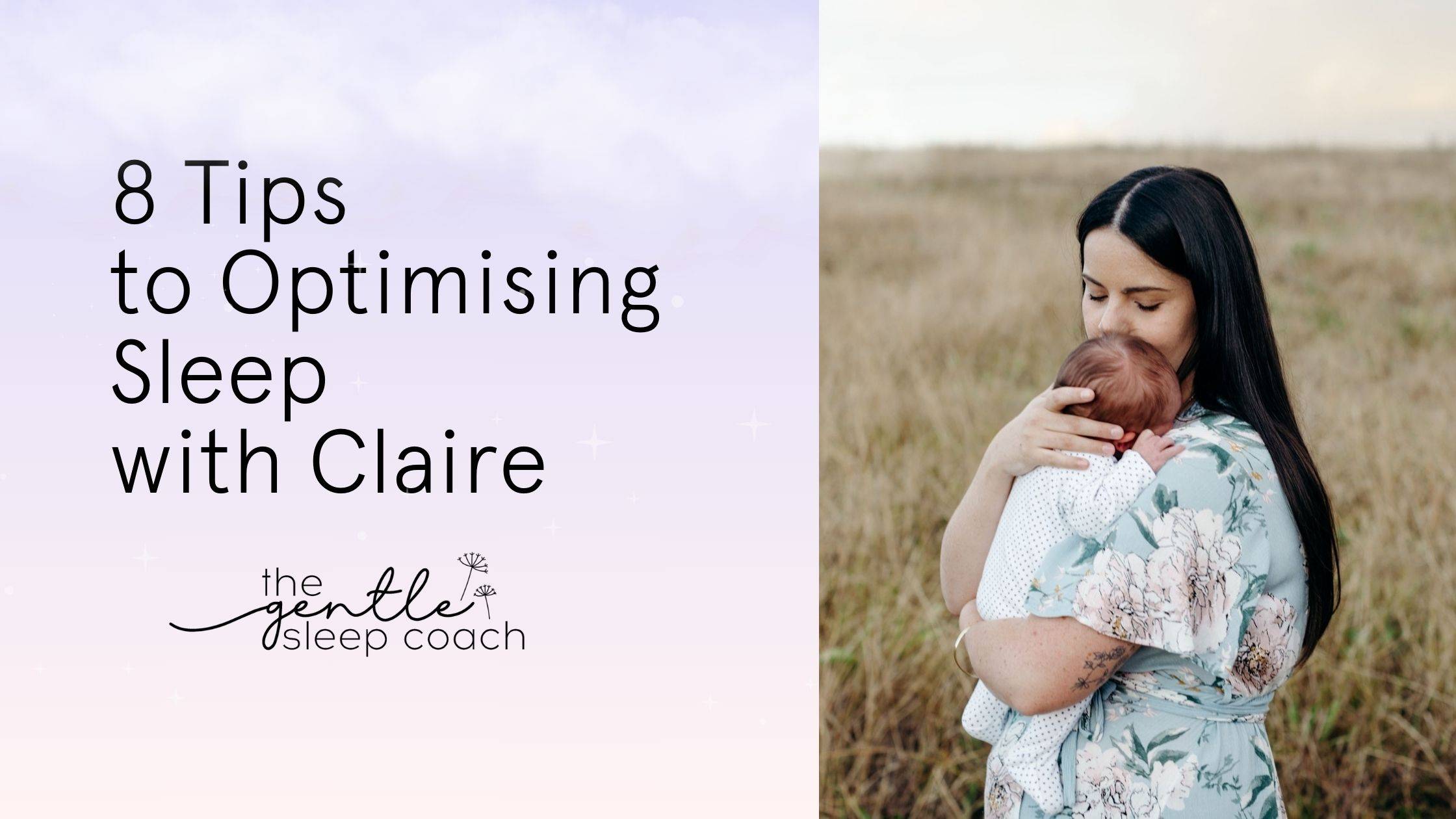
When I first began my journey as a Holistic Sleep Coach, I knew there was a gap that needed to be filled.
My first baby was incredibly wakeful and highly sensitive. He needed a lot of support, and while I wanted a gentle way to improve our sleep, I kept finding programs that promised a responsive approach but didn't feel that way in practice.
When you have what I like to call an "orchid" child, the advice that works for your friends' babies doesn't always work for yours. It can feel lonely when you're searching for answers and nothing quite fits the way you want to parent.
I wanted something that sat between simply waiting it out and more traditional sleep training methods. When I couldn't find the support I was looking for, I decided to create it myself by studying to become a Holistic Sleep Coach.
As I learned more, I began sharing my own journey online. I never imagined it would grow into a business, but I quickly realised I wasn't the only parent feeling stuck. So many families wanted gentle, practical sleep support that respected both their baby's needs and their parenting values.
Today, I work with families whose babies and toddlers are highly sensitive, wake frequently or simply need a little more support settling to sleep. While every child is different, there are simple changes that can help create a calmer, more consistent sleep routine.
If you're looking to improve your little one's sleep, here are eight gentle tips that I regularly share with families.
A calm and predictable wind-down routine helps signal that bedtime is approaching while giving your little one a chance to reconnect with you after a busy day.
Connection before sleep can help babies and toddlers feel safe, secure and ready to settle. Your routine doesn't need to be complicated. A bath, cuddle, story, lullaby or quiet play can all become familiar cues that bedtime is near.
The most important part is consistency. Over time, these repeated routines become powerful sleep cues that can make bedtime feel smoother and more predictable.
Many parents worry about creating "bad habits," but gentle sleep associations can actually become helpful tools when settling your baby.
Rather than relying on just one way to help your little one fall asleep, introduce a variety of calming cues that you can mix and match over time.
Some favourites include:
White noise or calming sleep sounds
Gentle patting
Lullabies
Face or hair strokes
Hand holding
Back rubs
A familiar bedtime routine
Having several sleep associations gives both you and your baby more flexibility, especially during night wakes or when another caregiver is helping at bedtime.
I wouldn't change the overall message of the remaining six tips. Instead, I'd refresh the wording in the same way—keeping Claire's personality while making the language feel more modern and naturally incorporating keywords like baby sleep, baby sleep routine, white noise for babies, and night light.
Every baby is different, and there is no single sleep schedule that works for every family.
One of the biggest misconceptions is that all babies should sleep for the same number of hours each day. In reality, sleep needs can vary depending on your baby's age, temperament and development.
Rather than focusing on what other babies are doing, pay attention to your little one's tired cues, mood and overall sleep patterns. It may take a little trial and error, but finding the routine that suits your baby is often more valuable than following a strict schedule.
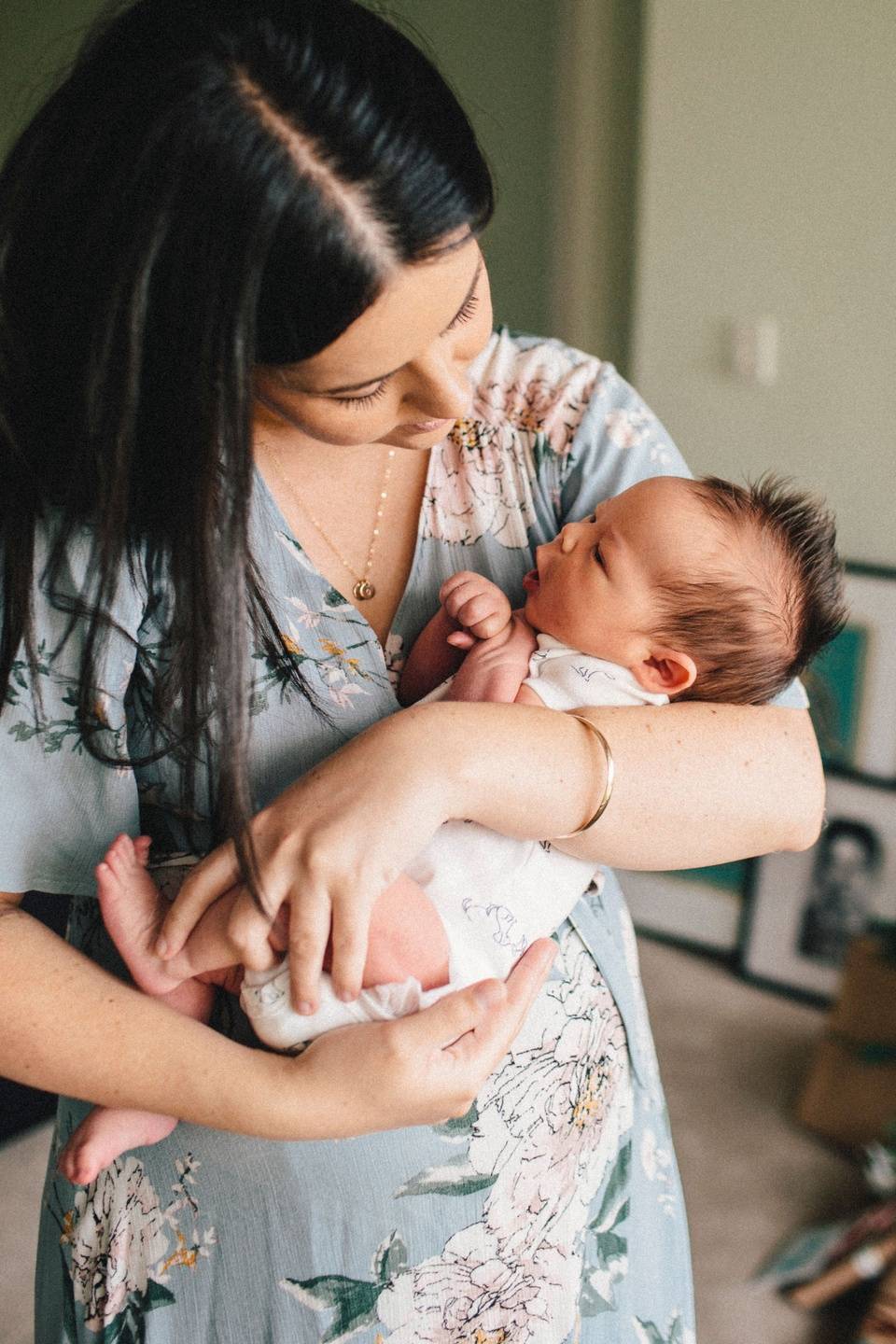
When sleep is challenging, it's easy to focus entirely on your baby. But it's important to remember that babies are co-regulators, meaning they often look to us to help them feel calm and safe.
If you're feeling overwhelmed, frustrated or anxious at bedtime, your little one may pick up on those emotions too.
Of course, every parent feels this way from time to time, especially after broken nights. If you can, try adding something that helps you feel more relaxed while settling your baby. That could be listening to calming music, a podcast or simply turning on a gentle light instead of sitting in complete darkness.
A soft red or amber night light can also make overnight feeds and resettling easier without creating a bright environment that may interfere with your baby's sleep or your own.
Just like adults, babies have their own preferences when it comes to sound.
While many families start with white noise, some babies may settle better with pink noise, brown noise, rainfall, ocean sounds or gentle shushing.
If one sound doesn't seem to be working, don't be afraid to experiment with different options. Sometimes a simple change can make a noticeable difference to how easily your little one settles.
A sound machine with a variety of sleep sounds gives you the flexibility to discover what works best for your baby's unique preferences.
Every baby experiences the world differently.
Some children adapt easily to change, while others need a little more time and reassurance during transitions. Bedtime itself is one of the biggest transitions of the day, especially for highly sensitive little ones.
If you notice your baby becomes upset as soon as you close the curtains, put on their sleep sack or turn on the sound machine, think about how you could make those transitions feel gentler.
For example, you might put their sleep sack on before entering the bedroom, close the curtains before bringing them in, or have the sound machine already playing so the room feels calm and familiar from the moment they arrive.
Small adjustments like these can help create a smoother, less overwhelming bedtime experience.
Sleep shouldn't stop you from getting out and enjoying life with your little one.
While it takes practice, many babies can learn to nap in the pram, car, baby carrier or travel cot. One of the easiest ways to support naps away from home is by bringing familiar sleep cues with you.
That could be your baby's usual sleep sack, comforter (if age appropriate) or the same sleep sounds they use at home.
Keeping parts of your baby's sleep routine consistent, even in a different environment, can help them feel more settled wherever you are.
As babies grow into toddlers, some begin developing genuine fears around darkness or being alone at bedtime.
If your child seems uncomfortable in a completely dark room, a gentle night light may help them feel more secure while still maintaining a sleep-friendly environment.
Choosing a soft red or amber light rather than a bright white or blue light can provide reassurance without making the room feel overly stimulating.
Remember, every child is different. Supporting your little one's emotional needs while creating a calm, predictable bedtime routine can help bedtime feel safer and less stressful for the whole family.
Claire is the founder of The Gentle Sleep Coach. She is a OCN Level 6 Holistic Sleep Coach, Circle of Security facilitator and most importantly, Mum of two living in the inner-west of Sydney! Claire & The Gentle Sleep Coach exist to provide a space for those who don’t want to sleep train but need to make changes – waiting it out isn’t an option! Claire and The Gentle Sleep Coach team provide sleep support to families wanting to make changes to sleep in a TRULY responsive and attachment focused way through 1:1 consultations, sleep courses and guides. Claire is a huge advocate for the Nodiee device. You can follow along for more tips and tricks from Claire @thegentlesleepcoach